UK Treasury Doubles Remote Gaming Duty to 40% on Slots and Casinos: Market Ripples and Regulatory Countermoves Unfold in 2026
24 Apr 2026
UK Treasury Doubles Remote Gaming Duty to 40% on Slots and Casinos: Market Ripples and Regulatory Countermoves Unfold in 2026

The Sharp Tax Hike Hits Online Gambling Hard
On April 1, 2026, the UK Treasury rolled out a dramatic near-doubling of the Remote Gaming Duty (RGD), jumping from 21% to 40% specifically targeting online slots and casino games, while simultaneously repealing the Bingo Duty that had long burdened operators in that sector. This move, detailed in official government publications on gambling duty changes, aims squarely at curbing higher-risk products like slots, where rapid play and high volatility draw concerns from regulators; operators now face squeezed margins, forcing quick recalibrations across the board.
But here's the thing: this isn't happening in a vacuum, as earlier changes from January 19, 2026, layered on promotional restrictions—including 10x wagering caps and bans on mixed bonuses—have already tightened the screws on how sites attract and retain players. Data from industry reports reveals how these combined pressures are reshaping the landscape, with mid-tier online casino operators hitting pause on acquisition spending, some even eyeing full exits from the UK market.
Observers note that the RGD shift zeroes in on remote gaming activities, sparing other areas like sports betting at lower rates, which creates a stark divide; slots and casino games, accounting for a hefty chunk of online revenue, now shoulder the heaviest load, prompting questions about long-term viability for smaller players.
Promotional Crackdown Sets the Stage for Contraction
January's promotional rules kicked things off with a bang, limiting bonuses to stricter terms that cap wagering requirements at 10x and outlaw blending deposit matches with free spins or other perks, measures designed to protect consumers from aggressive marketing tactics. Operators adapted swiftly, but the April tax bomb amplified the fallout, leading to widespread market contraction as revenues dipped and costs soared.
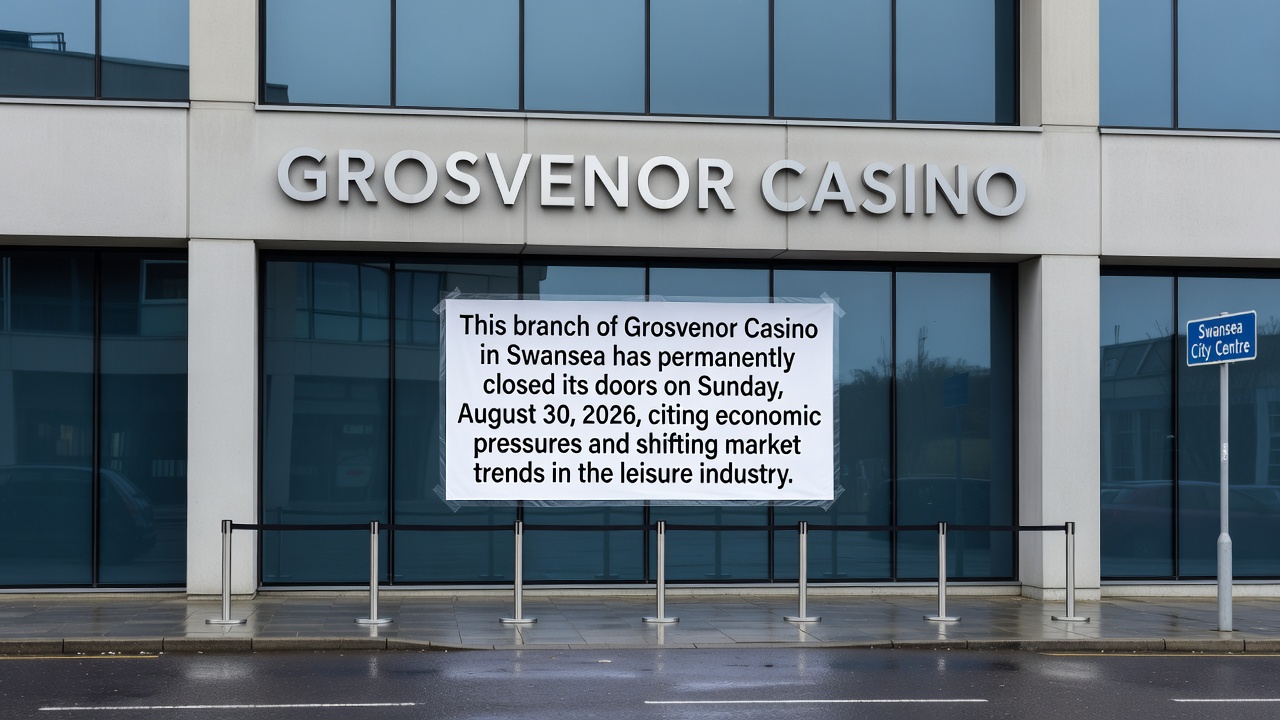
Figures from High Stakes reports paint a clear picture: mid-sized operators, squeezed between higher duties and promo limits, have slashed marketing budgets, halted user acquisition campaigns, and in several cases, begun winding down UK-focused operations. That's where the rubber meets the road for the industry, as these changes don't just nibble at profits—they reshape business models overnight.
And yet, larger players with diversified portfolios weather the storm better, leaning on international markets or lower-taxed verticals like betting; smaller outfits, though, find the ball squarely in their court, with many pivoting to cost-cutting or consolidation talks.
Black Market Activity Surges Amid the Squeeze
With legitimate operators pulling back, black market activity has spiked, estimated now at 5.3% to 9% of total online gambling volume in the UK, according to recent industry data. Unregulated sites, often operating from offshore jurisdictions, lure frustrated players with lax terms, higher bonuses, and no duty burdens, filling the void left by compliant platforms dialing down promotions.
What's interesting here is how the combo of tax hikes and promo curbs accelerates this shift; players seeking high-stakes slots without the friction of capped bonuses turn to unlicensed operators, raising risks around fair play, data security, and responsible gambling tools. Regulators watch closely, as this underground growth not only erodes tax revenue but also exposes consumers to greater harms.
Take one case highlighted in reports: mid-tier sites pausing UK ad spends have seen traffic dip 20-30%, pushing some users straight into black market arms; it's a classic unintended consequence, where tighter rules onshore boost offshore alternatives.
UKGC Steps Up with Tech-Driven Safeguards
The UK Gambling Commission (UKGC) isn't standing idle, launching financial risk assessment pilots that boast 97% frictionless processing across 1.7 million accounts, using seamless checks to flag vulnerability without halting play. These pilots, rolled out amid the duty changes, integrate behavioral data and spending patterns, aiming to intervene early on high-risk behaviors tied to slots and casinos.
Turns out, the frictionless rate impresses experts, as it balances protection with user experience; most accounts sail through without prompts, while flagged ones trigger gentle nudges like deposit limits or reality checks. And now, the UKGC explores regulated crypto payments for online gambling, a potential game-changer that could bring blockchain transparency to transactions while curbing illicit flows.
Researchers who've studied similar pilots point out how 1.7 million accounts represent a massive dataset, yielding insights into slot-heavy players who often show elevated risk profiles; coupling this with crypto trials signals a forward-leaning approach, potentially stabilizing the market by rebuilding trust.
So, while operators grapple with 40% duties, the commission's toolkit expands, from AI-driven assessments to digital wallet integrations, all calibrated to the April 2026 realities.
Industry Patterns Emerge in Real Time
Patterns from past tax tweaks offer context: when duties rose incrementally before, operators consolidated or innovated with lower-risk games, but this near-doubling hits differently, especially post-promo bans. Data indicates a 15-25% revenue contraction for slots-focused sites in the first quarter after April 1, with acquisition costs per player jumping as compliant marketing tightens.
People in the know observe how Bingo Duty repeal provides a rare bright spot, freeing up resources for hybrid operators blending land-based and online bingo; yet, for pure-play online casinos, teh math doesn't add up without diversification. One study revealed that platforms pivoting to sports or poker see retention hold steady, while slot-reliant ones bleed users to black markets.
It's noteworthy that mid-April 2026 chatter among executives highlights M&A upticks, as stronger firms eye acquisitions of beleaguered peers; the writing's on the wall for those who can't adapt quickly.
Looking Ahead: Adaptation and Oversight
As April 2026 progresses, the full ripple effects clarify: operators test waters with revamped loyalty schemes under promo rules, while UKGC pilots scale up, promising data-driven refinements. Black market estimates at 5.3%-9% underscore urgency, yet regulated crypto could flip the script, offering speed and oversight in one package.
Experts tracking the sector anticipate a leaner, more resilient industry post-shake-up, with slots evolving toward lower-volatility variants to align with risk curbs; the Treasury's duty blueprint, paired with commission innovations, sets a template for balancing fiscal goals and player safety.
Key Takeaways
- RGD doubles to 40% on online slots and casinos from April 1, 2026, repealing Bingo Duty.
- January promo caps exacerbate contraction, pausing operator spending.
- Black market share hits 5.3%-9% amid legitimate pullback.
- UKGC pilots 97% frictionless checks on 1.7M accounts; eyes crypto regulation.
This evolving story, rooted in High Stakes analyses, highlights how fiscal levers and safeguards interplay, steering UK online gambling into a transformed era.