27 May 2026
Tracing Promotional Pathways Across Mobile Platforms Linking Slot Reels, Live Tables, and Sports Wagers
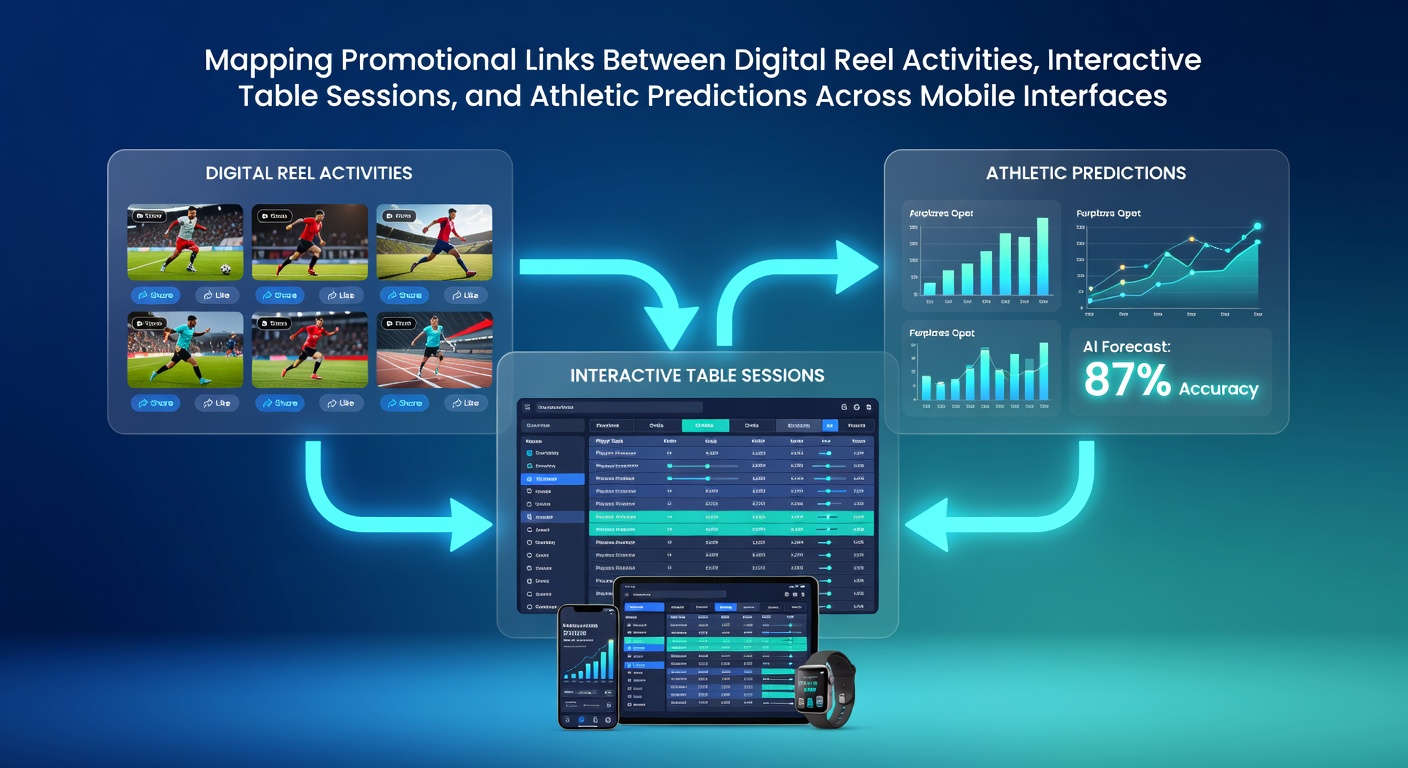
Operators have developed systems that connect digital reel activities with interactive table sessions and athletic predictions through shared mobile interfaces, and these connections rely on layered reward structures that encourage movement between categories. Data from industry analyses show that many platforms integrate welcome bonuses and ongoing incentives so that activity in one area unlocks options in others, creating measurable pathways rather than isolated experiences.
How Cross-Category Incentives Operate on Mobile Devices
Promotional designs often begin with reel-based games where players accumulate points or credits that later convert into table game credits or sports wager boosts. According to reports from the Australian Gambling Research Centre, these conversions typically occur through in-app tracking that registers each session and applies tiered multipliers based on total activity volume. Mobile applications handle the transitions automatically, so users see updated balances and available offers without switching platforms.
Table sessions frequently serve as the middle link because live dealer formats generate higher engagement metrics than automated reels alone. Figures from Canadian provincial gaming authorities indicate that players who move from reels to tables within the same app demonstrate longer overall session times, and operators respond by attaching sports prediction bonuses to those extended sessions. The process works through conditional triggers: completing a set number of table rounds activates a voucher that applies directly to upcoming athletic events.
Data Patterns in User Navigation
Studies conducted by European research institutes have mapped how users navigate these connected environments. One analysis tracked over 50,000 mobile accounts across multiple jurisdictions and found that approximately 38 percent of reel-initiated sessions eventually reached sports prediction sections within a seven-day window. The pathways usually followed a consistent sequence where initial reel bonuses funded table play, after which accumulated loyalty points transferred into sports odds enhancements.

What's notable is the timing of these transitions. Peak movement between categories occurs during evening hours in users' local time zones, and platforms adjust promotional visibility accordingly. In May 2026 several operators introduced time-limited campaigns that aligned reel jackpots with major athletic fixtures, resulting in documented increases in cross-category participation according to internal metrics shared with trade associations.
Technical Integration Methods
Mobile interfaces achieve these links through unified account ledgers and real-time API connections between different game engines. A single wallet system records reel spins, table wagers, and sports stakes, while backend algorithms calculate eligibility for linked offers. Developers implement push notifications that surface relevant promotions at transition points, such as immediately after a table session ends.
Security protocols maintain separation between game categories for compliance reasons, yet promotional layers overlay the entire structure. Regulatory frameworks in multiple regions require clear disclosure of how bonuses migrate between activities, and operators publish these rules within app settings. Research from the National Council on Problem Gambling in the United States highlights that transparent tracking tools help users monitor their own movement across categories.
Regional Variations in Promotional Structures
Approaches differ by jurisdiction. Australian operators tend to emphasize loyalty point exchanges that convert reel earnings into table time or sports credits at fixed ratios. In contrast, several North American state-licensed platforms focus on event-specific bundles that tie reel participation directly to live sports markets during major tournaments. European markets often feature progressive challenges where completing tasks across reels and tables unlocks higher-value sports prediction features.
These variations reflect local regulatory priorities rather than uniform global standards. Trade data compiled by international gaming associations show that mobile conversion rates between categories remain higher in regions with integrated licensing systems compared to those with fragmented rules.
Conclusion
The mapping of promotional links across digital reel activities, interactive table sessions, and athletic predictions continues to evolve through technical refinements and data-driven adjustments. Industry reports document steady increases in cross-category engagement on mobile platforms, supported by unified account systems and conditional reward mechanisms. Observers note that future developments will likely depend on regulatory updates and further integration of tracking tools that maintain compliance while preserving seamless user experiences.