22 Jun 2026
Tiered Rewards Systems: Enabling Seamless Shifts Between Digital Slots, Live Dealer Games, and Mobile Sports Betting

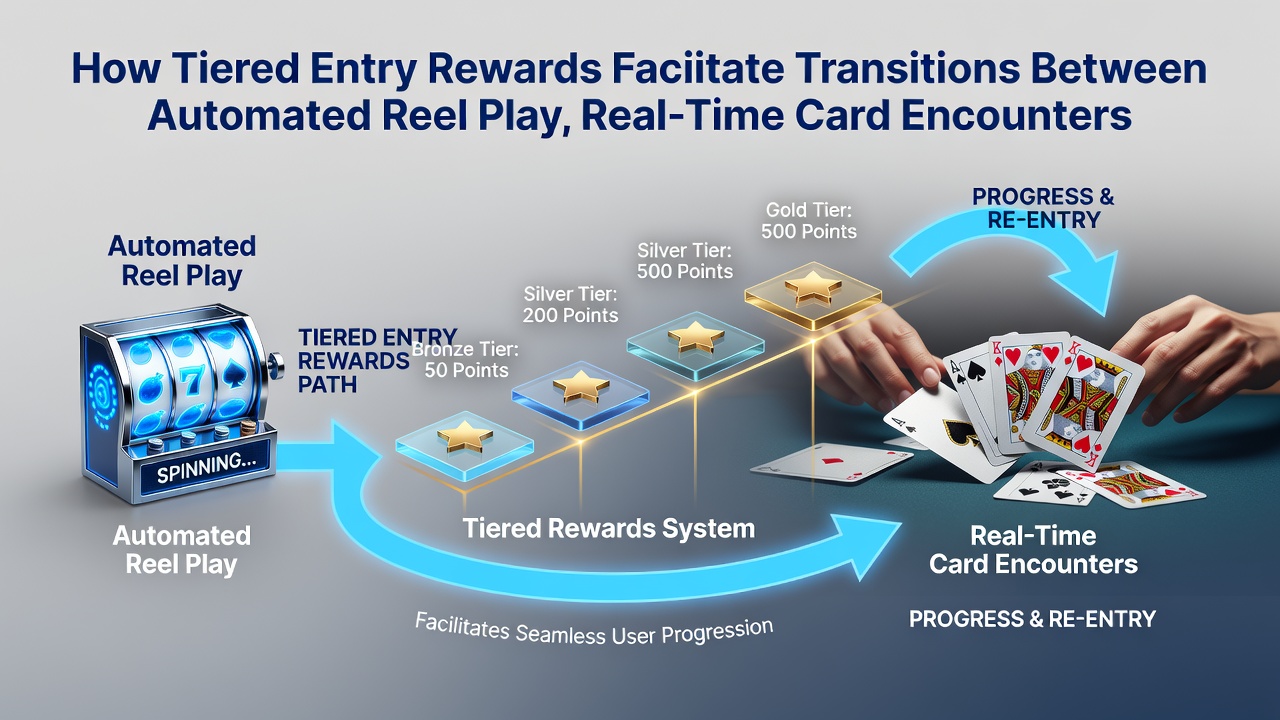
Tiered entry rewards function as structured incentive layers that guide users from automated reel play into real-time card encounters and onward to athletic speculation within single mobile applications, and operators design these systems to maintain engagement through progressive unlock thresholds that reward consistent activity across categories. Players begin at basic tiers after initial deposits or spins on automated reels, where points accumulate based on wager volume and session duration, which then convert into entry credits for live dealer tables once certain milestones appear. Data from industry tracking services shows that such layered mechanics increase cross-category participation rates by aligning reward triggers with natural play patterns rather than isolated game types.
Mechanics of Tiered Progression on Handheld Platforms
Entry rewards operate through algorithmic thresholds that monitor user behavior across game libraries, and mobile interfaces display progress bars that update in real time as players complete reel sessions. Automated reel play generates base points at rates determined by bet size and frequency, while higher tiers introduce multipliers that apply when users transition into card-based environments. Observers note that these multipliers often include time-limited windows, such as those activated during promotional periods leading into June 2026, when several platforms adjusted reward schedules to coincide with major sporting calendars. The structure encourages completion of one category before accessing enhanced features in the next, creating pathways that feel incremental rather than abrupt.
From Automated Reels to Live Card Tables
Users who accumulate sufficient reel points receive tiered invitations that reduce entry barriers to real-time card encounters, and these invitations commonly appear as matched deposit offers or free hands at blackjack or poker tables within the same app. Research from university gaming studies indicates that reward tiers reduce the cognitive load of switching formats by pre-populating user accounts with familiar balances and settings carried over from reel sessions. Mobile optimization plays a key role here, since push notifications alert participants when their tier status qualifies them for live tables without requiring separate logins or external transfers. One documented case involved a North American operator that reported a 28 percent rise in live table sessions following the introduction of reel-to-card reward bridges in early 2025.
Integrating Athletic Speculation Through Continued Tiers
Once players engage with card encounters, additional tier levels unlock sports betting modules where accumulated points convert into wager credits or enhanced odds on athletic events. This progression relies on unified account ledgers that track activity across all three domains, allowing seamless fund movement between live tables and sports odds without external processing delays. Reports from the European Gaming and Betting Association highlight how tiered systems in regulated markets correlate with higher retention when users can preview sports markets directly from card game interfaces. The approach accommodates varying user preferences by offering parallel paths, such as sports-focused tiers that bypass certain card requirements for those who demonstrate consistent reel activity instead.
Mobile-Specific Design Elements Supporting Transitions
Handheld devices facilitate these shifts through responsive layouts that adapt reward displays to portrait or landscape orientations, and touch-optimized menus let users claim tier benefits with minimal navigation steps. Developers incorporate biometric login options that maintain session continuity when moving between automated reels and live streams, which reduces drop-off rates during category changes. According to findings published by the International Gaming Institute, mobile users who receive tier notifications mid-session show greater likelihood of completing transitions compared with desktop counterparts. Features such as quick-deposit overlays and in-app tutorials further support the flow, presenting athletic speculation markets immediately after card round conclusions without forcing users to restart their experience.
Regulatory and Operational Considerations in 2026
Platforms operating in multiple jurisdictions align tiered rewards with local compliance standards that govern promotional structures, and updates scheduled for June 2026 in certain Canadian provinces require clearer disclosure of progression criteria within mobile apps. Operators respond by embedding explanatory overlays that detail how reel points translate into card and sports access, which helps maintain transparency across borders. Industry associations track these adaptations to identify common patterns in reward efficacy, noting that unified mobile ecosystems tend to sustain longer user lifecycles when tier benefits span diverse game formats. The emphasis remains on verifiable activity metrics that trigger rewards automatically rather than through manual claims.
Conclusion
Tiered entry rewards create structured pathways that connect automated reel play with real-time card encounters and athletic speculation on handheld devices by converting activity in one area into access advantages in others. Mobile platforms leverage unified tracking and notification systems to minimize friction during these shifts, while regulatory frameworks continue to shape disclosure requirements around progression mechanics. Data from multiple markets demonstrates measurable increases in cross-category engagement when operators implement such layered incentives consistently.