3 Jul 2026
Mapping Sign-Up Reward Journeys in Virtual Card Games and Real-Time Match Betting Platforms
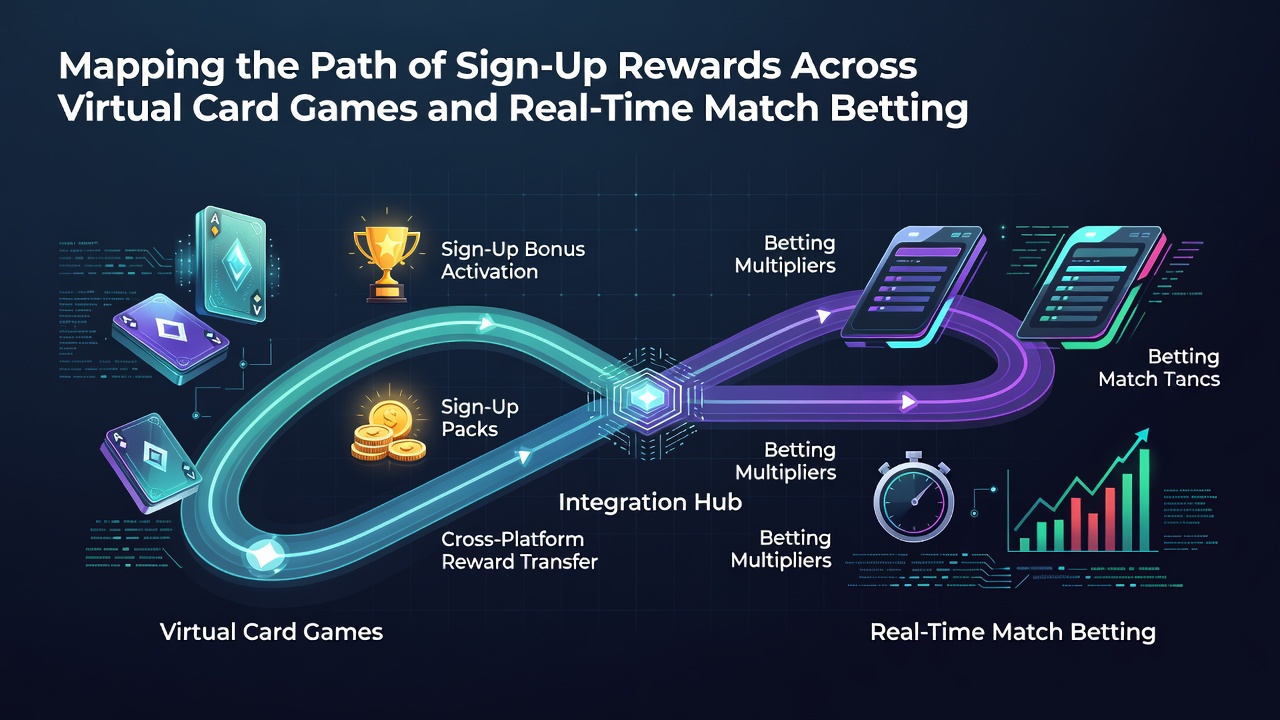
Virtual card games and real-time match betting operate through interconnected digital systems where sign-up rewards serve as entry points for new participants, and data from industry reports indicate these incentives often follow structured progression paths across multiple platform sections. Registration processes in virtual card environments typically trigger initial bonuses such as matched deposits or free play credits, which then transition into live betting modules when users engage with simultaneous match options like soccer or basketball events.
Initial Registration and Bonus Activation Steps
Users who complete account creation on virtual card platforms receive reward notifications within the first few minutes, according to user flow analyses published by gaming technology firms, while verification steps involving identity documents activate the full value of these offers. Real-time match betting sections integrate these same accounts through single sign-on protocols, allowing the original sign-up credit to convert into wager credits that apply directly to live odds during ongoing games, and this linkage appears in platform architecture documentation from multiple providers.
Progression Across Game Types
Studies conducted by academic researchers at institutions focused on digital entertainment economics show that players starting with virtual card games like poker or blackjack variants often move toward match betting features within the same session when promotional balances remain active. Reward mapping reveals tiered structures where early card game wins unlock additional multipliers for betting lines, and these mechanics rely on algorithmic tracking that monitors play patterns across both categories simultaneously.
Technical Integration of Rewards
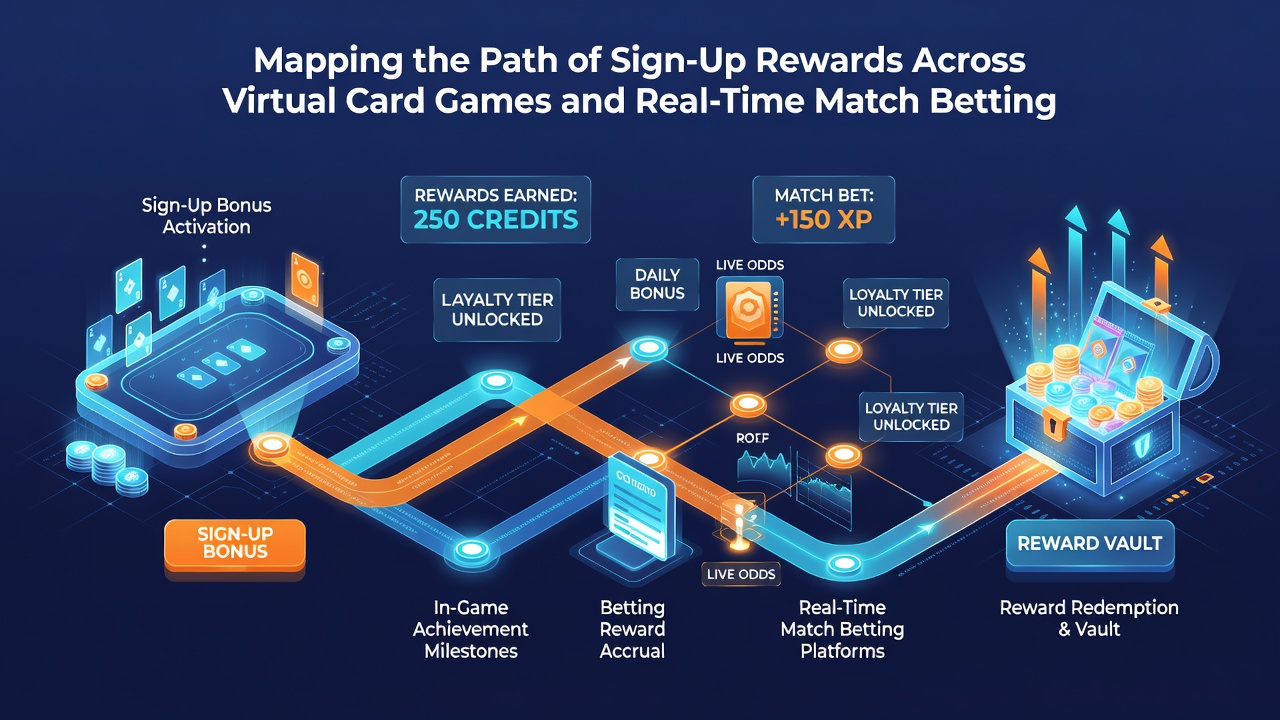
Platform developers implement API connections that synchronize sign-up reward ledgers between card game servers and betting engines, enabling seamless balance transfers without separate logins, and reports from the American Gaming Association detail how such systems handle millions of transactions daily. In July 2026, several operators plan to roll out enhanced tracking dashboards that display reward journey maps for users, incorporating data points from both virtual tables and live event feeds.
Observers note that bonus expiration timers operate uniformly across sections, forcing participants to engage with real-time betting to avoid losing unused portions originally earned through card game activity. This design choice stems from backend configurations documented in software development logs shared at industry conferences.
Regional Regulatory Influences on Reward Mapping
Government agencies in various jurisdictions, including the Australian Communications and Media Authority, enforce disclosure requirements that compel platforms to outline exactly how sign-up rewards migrate between game categories, and compliance reports indicate clearer pathway visualizations reduce user confusion during crossovers. European data protection frameworks similarly require transparency in reward tracking algorithms, which affects how operators present these journeys to new registrants.
Player Behavior Patterns and Data Insights
Analytics from research papers produced by university teams specializing in behavioral economics reveal that individuals who activate sign-up rewards through virtual card sessions demonstrate higher retention rates when those same rewards extend into real-time match betting environments. The pathways often include intermediate steps such as completing card game challenges that generate bonus spins or cash equivalents usable on live odds, creating a mapped sequence rather than isolated promotions.
Platform metrics collected during peak event periods show spikes in reward redemptions coinciding with major sports matches, suggesting the mapping process encourages timed transitions from card play to betting action. These patterns hold across multiple operator datasets analyzed in industry white papers.
Conclusion
Mapping the path of sign-up rewards demonstrates consistent structural elements that connect virtual card game registrations with real-time match betting participation through integrated account systems and algorithmic progressions. Data from regulatory bodies and research organizations continue to inform how these pathways evolve, particularly with upcoming platform updates scheduled around July 2026. The factual frameworks outlined here reflect documented operational practices across digital gaming sectors.