26 Jun 2026
Integrated Reward Systems Linking Slot Reels to Blackjack Tables and Live Sports Markets Across Devices
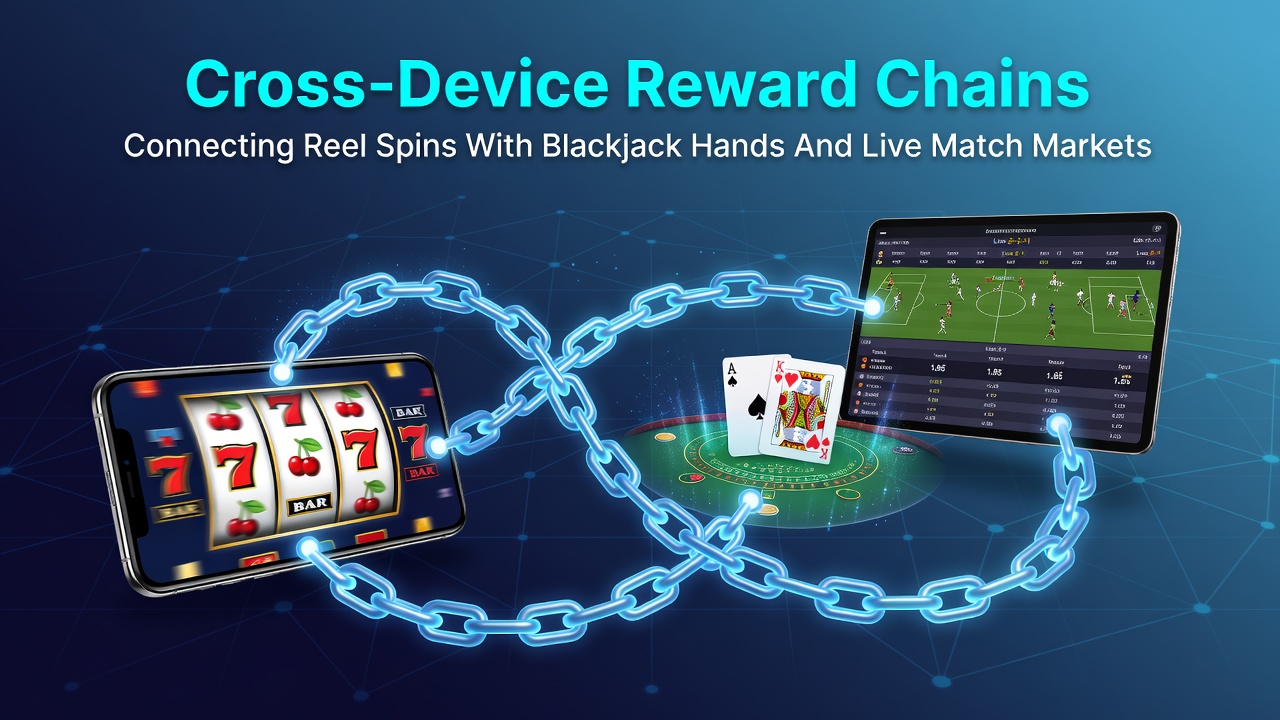
Platforms have developed systems that connect player activity across different game types and devices through unified reward structures, allowing progress earned on slot reels to influence options available during blackjack hands and live match markets. These chains operate by tracking participation metrics such as spins completed, hands played, and bets placed, then converting those actions into shared loyalty points or tier advancements that function regardless of whether users switch from a desktop slot session to a mobile blackjack table or a tablet-based sports wager.
Mechanics of Cross-Game Reward Transfers
Operators implement APIs that log every reel spin outcome alongside blackjack decision data and live market selections, creating a continuous record that feeds into a central account ledger. When a player completes a set number of spins on a reel game, the system automatically awards credits or multipliers that apply during subsequent blackjack rounds, while those same blackjack results can unlock enhanced odds or cashback on live sports markets. Data from industry reports shows this integration increases session continuity because participants no longer reset progress when changing game categories or device types.
One study conducted by researchers at the University of Nevada, Reno examined how such chains affect player retention across table games and sports products, finding measurable lifts in cross-category engagement when rewards flow without manual redemption steps. The mechanism relies on real-time synchronization so that a high-value blackjack hand completed on a smartphone immediately registers toward a live soccer match bet placed later the same evening on a laptop.
Device Synchronization and Live Market Integration
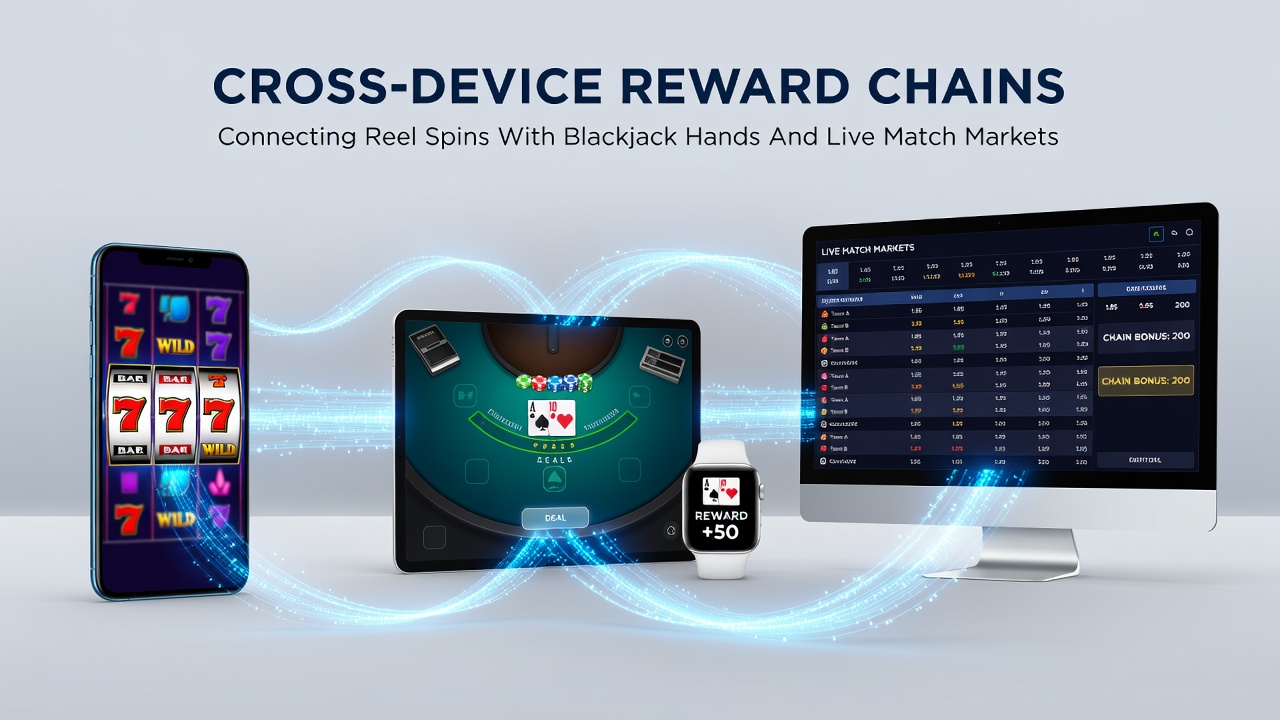
Cross-device functionality depends on cloud-based account profiles that update across operating systems within seconds of each action. Players who begin a reel session on a desktop computer can continue accumulating the same reward chain on a tablet during a blackjack session, then apply accumulated bonuses to live match markets while traveling. This setup supports simultaneous monitoring of multiple game types because the underlying ledger remains device-agnostic.
Live match markets benefit particularly when chains connect them to earlier casino activity, as operators often attach dynamic multipliers derived from prior blackjack performance or reel spin volume. In June 2026, several major platforms plan to expand these features following updates to mobile streaming protocols that reduce latency during in-play sports events, allowing smoother transitions between table games and live betting interfaces.
Regulatory Context and Industry Standards
Authorities in different regions have begun examining how these reward chains comply with existing player protection rules. The New Jersey Division of Gaming Enforcement requires clear disclosure of how points transfer between game categories, ensuring users understand the value attached to each action. Similar scrutiny appears in reports issued by the Malta Gaming Authority, which tracks multi-product loyalty programs for potential risk indicators related to extended play sessions.
Industry groups such as the American Gaming Association have published guidelines recommending transparent tracking of cross-device activity so that reward chains do not inadvertently encourage excessive participation. Observers note that platforms adopting standardized reporting formats see fewer compliance issues when audits occur, particularly when chains span slots, blackjack, and live sports markets.
Player Journey Examples
Consider a typical sequence where an individual starts with fifty reel spins on a video slot machine, earning tier points that convert directly into a blackjack insurance boost available on the next hand. After several successful hands, those outcomes generate a separate multiplier that applies automatically to an upcoming live tennis match wager placed through the same account on a different device. The entire progression occurs without separate logins or manual point transfers because the system maintains one unified profile.
Another pattern involves group challenges where multiple users pool contributions from their individual reel spins and blackjack results toward collective live match market goals, with rewards distributed proportionally once targets are reached. These structures appear more frequently on platforms that maintain robust API connections between their casino and sportsbook divisions.
Conclusion
Cross-device reward chains that link reel spins with blackjack hands and live match markets represent an operational shift toward unified player accounts across game types. The systems rely on synchronized data flows and consistent loyalty mechanics to maintain continuity regardless of device or category changes. Regulatory bodies in multiple jurisdictions continue to monitor these programs for compliance with disclosure and protection standards while industry associations provide frameworks for responsible implementation.