5 Aug 2026
Incentive Pathways Connecting Reel-Based Play to Athletic Event Wagers Within Mobile Casino Frameworks
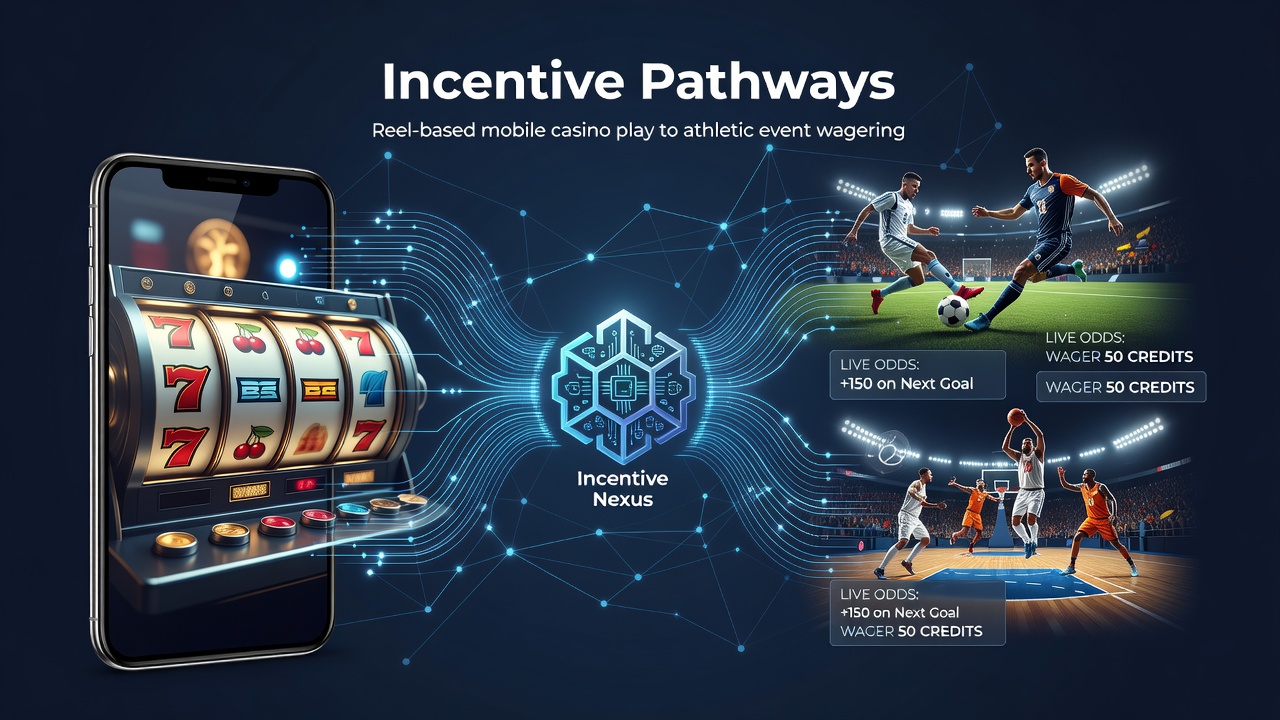
Operators within mobile casino environments have developed structured incentive systems that guide users from reel-based games toward athletic event wagers, and these pathways rely on sequenced bonuses, tiered rewards, and conditional unlocks that activate across different game categories. Data from industry tracking services shows that such mechanisms often begin with deposit matches or free spins on slots, then require a set number of reel spins before releasing credits applicable to live sports markets.
Mechanics of Cross-Category Incentive Flows
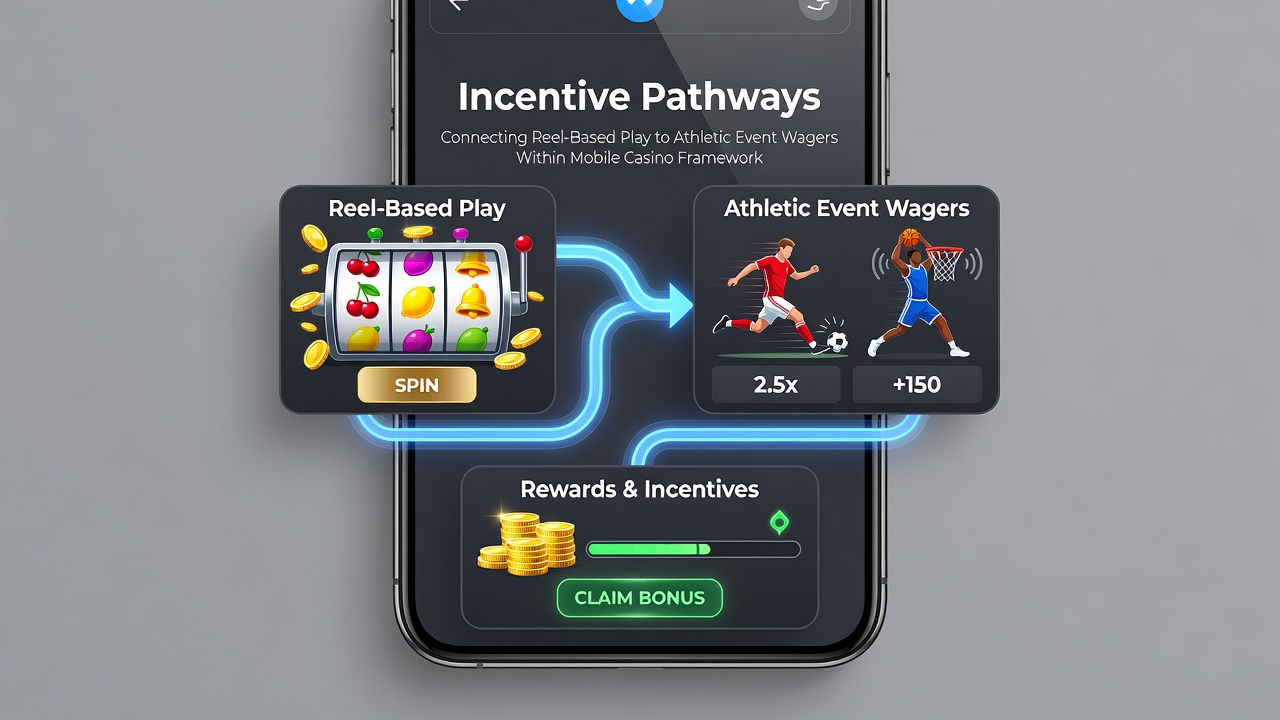
Many platforms implement progress bars or loyalty meters that accumulate points from slot sessions, and those points convert into betting vouchers once users reach predefined thresholds tied to sports events. Research indicates that these systems frequently incorporate time-limited challenges, such as completing 100 reel spins within a week to unlock enhanced odds on upcoming matches, while the transition occurs automatically within the same application interface without requiring separate logins or fund transfers.
According to figures released by the American Gaming Association, mobile operators have reported increased engagement when incentives link low-volatility slot play directly to higher-stakes sports propositions, and the design encourages sustained activity across both verticals through shared wallet balances and unified account progressions. One documented approach involves welcome packages that allocate initial funds exclusively for reels, followed by bonus cash that becomes available only after a minimum playthrough on those reels converts into sports-specific credits.
Examples of Pathway Structures in Practice
Take the case of a typical mobile application where a user deposits funds and receives matched credits restricted to slot titles, after which accumulated wagers on reels trigger a multiplier that applies to the first sports bet placed on a major league event. Observers note that this sequence reduces barriers for participants new to betting lines while maintaining regulatory separation between gaming and wagering categories in jurisdictions that distinguish the two activities. Another common structure uses daily login streaks on reels to grant free bets on athletic contests, with the reward value scaling according to the volume of prior reel activity recorded in the account history.
Technical Integration and User Journey Mapping
Developers integrate these pathways through unified back-end systems that track player behavior across reel and sports modules in real time, and the resulting data feeds into personalized offer engines that adjust incentive values based on individual patterns. Reports from the Australian Institute of Criminology highlight how similar frameworks in regulated markets maintain audit trails that separate reel-based contributions from sports wager eligibility, ensuring compliance with local licensing conditions. Users encounter these pathways as seamless menu options where a completed slot session populates suggested sports events with pre-applied promotional overlays.
Platform analytics reveal that pathways incorporating athletic event wagers after reel milestones achieve higher retention rates when the conversion process includes visual notifications and one-tap navigation between game types. In August 2026 several operators plan to introduce updated mobile frameworks that expand these connections with AI-driven recommendations linking specific reel outcomes to live betting opportunities on the same device.
Regulatory Context Across Regions
Jurisdictions outside the United Kingdom maintain distinct rules governing how incentives may bridge reel play and sports wagers, and Canadian provincial regulators require clear disclosure of playthrough requirements that span both categories. European authorities in select markets have issued guidelines mandating that promotional funds originating from slots remain distinguishable until converted for sports use, while Australian state-level oversight emphasizes responsible gambling messaging at each transition point within the pathway. These rules shape the design of incentive structures without prohibiting the underlying connections between game types.
Industry associations such as the European Gaming and Betting Association have documented that mobile frameworks employing these pathways must provide users with transparent histories of how reel activity contributes to sports wager eligibility, and the same reports note standardized reporting formats that operators submit to oversight bodies for review.
Conclusion
Incentive pathways within mobile casino frameworks continue to evolve as technical capabilities allow tighter integration between reel-based play and athletic event wagers, with operators relying on sequenced rewards and unified tracking to guide user progression. Data from multiple regulatory and research sources demonstrates measurable activity across these connected categories, while compliance requirements in various regions dictate the precise mechanics of fund conversion and disclosure. The structures remain subject to ongoing refinement as platforms adapt to new technical standards and oversight expectations scheduled for implementation in coming years.