1 Jun 2026
Hybrid Incentive Structures Connecting Spinning Mechanisms, Live Dealer Interactions, and Event Wagering on Mobile Devices
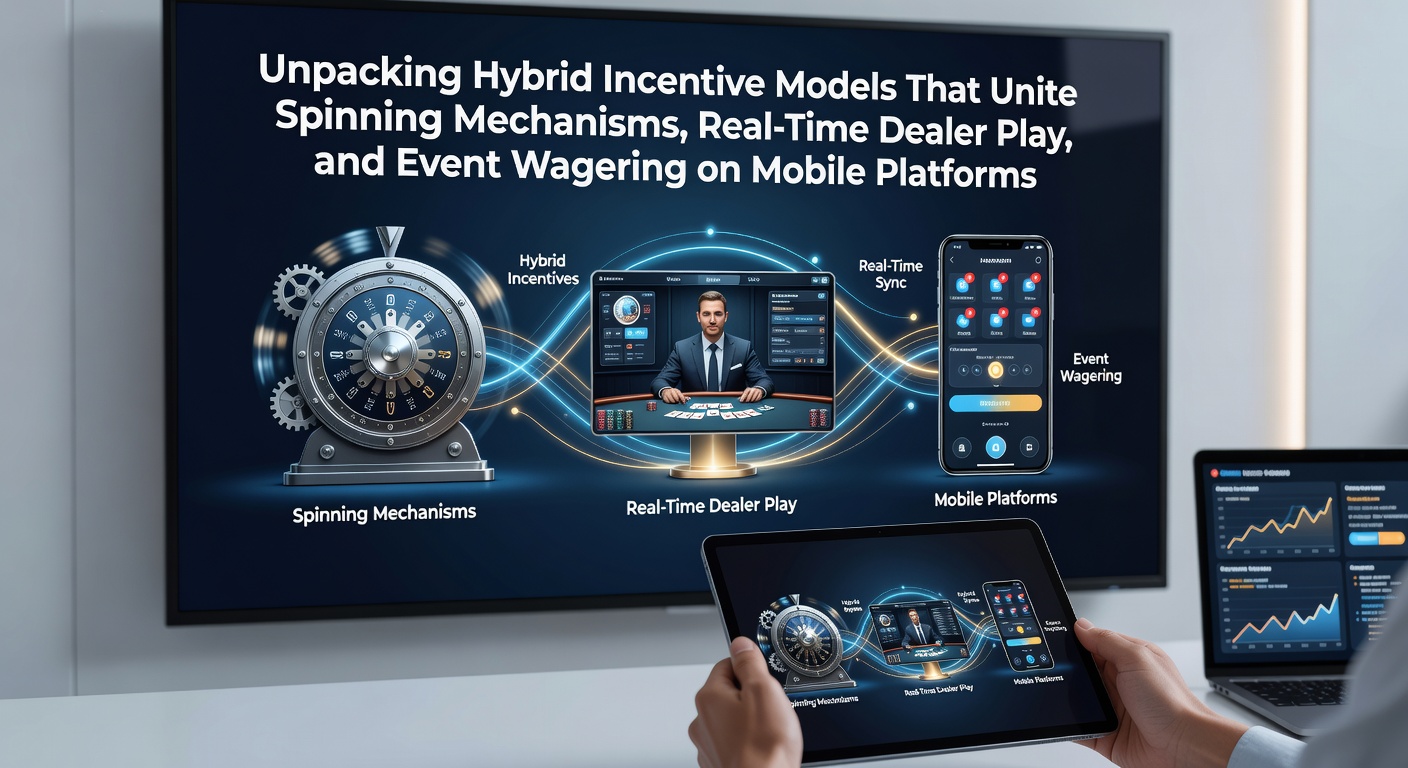
Hybrid incentive models have gained traction across digital gaming platforms where spinning mechanisms meet real-time dealer sessions alongside event wagering options, and these systems operate primarily through mobile interfaces that track user activity across multiple formats. Developers design reward pathways that link slot reel outcomes directly to live table progressions while incorporating sports market entries, creating unified progression tracks that adjust based on combined participation levels. Data from industry reports indicates these models emerged prominently after 2023 when mobile traffic surpassed desktop usage in regulated markets worldwide.
Core Elements of Integrated Reward Pathways
Spinning mechanisms refer to digital reel systems found in slot-style games where random number generators determine symbol alignments and trigger base payouts or bonus rounds, whereas real-time dealer play involves streamed video sessions with human operators managing card or wheel games such as blackjack and roulette. Event wagering covers markets on athletic competitions or timed occurrences where odds fluctuate according to live developments. When these elements combine under single incentive frameworks, users accumulate points or credits that transfer between categories without resetting separate balances, and this transfer occurs through backend algorithms that monitor session duration, wager volume, and outcome frequency across the three formats.
According to research published by the International Gaming Institute at the University of Nevada, Las Vegas, platforms implementing such linkages observed higher retention rates among users who engaged with at least two categories simultaneously compared to single-format players. The models often feature tiered multipliers where completing a set number of spins unlocks enhanced odds on live dealer tables or free selections within event markets, and these multipliers reset or escalate based on daily or weekly activity cycles tracked via mobile device identifiers.
Mobile Platform Mechanics Driving Cross-Format Participation
Mobile applications serve as the primary delivery channel because they support push notifications that alert users to time-sensitive opportunities bridging the three areas, such as a slot bonus round that feeds directly into a live dealer tournament entry or a sports wager that carries over credits earned from table sessions. Developers integrate geolocation services and device sensors to verify compliance with regional rules while maintaining seamless transitions between game types without requiring separate logins or wallet checks. Figures released by the Canadian Gaming Association in early 2026 showed that 68 percent of hybrid model users accessed platforms exclusively through smartphones, with average session lengths extending 22 minutes longer than non-hybrid alternatives.
These systems employ API connections that pull data from slot engines, streaming dealer software, and sportsbook feeds into one dashboard view, allowing users to view unified progress bars that display combined advancement toward next reward levels. In June 2026 several operators updated their mobile interfaces to include predictive suggestion tools that recommend specific spinning sequences or dealer tables based on recent event wagering patterns, and these tools rely on anonymized aggregate data rather than individual profiling to maintain privacy standards.
Examples of Operational Hybrid Campaigns
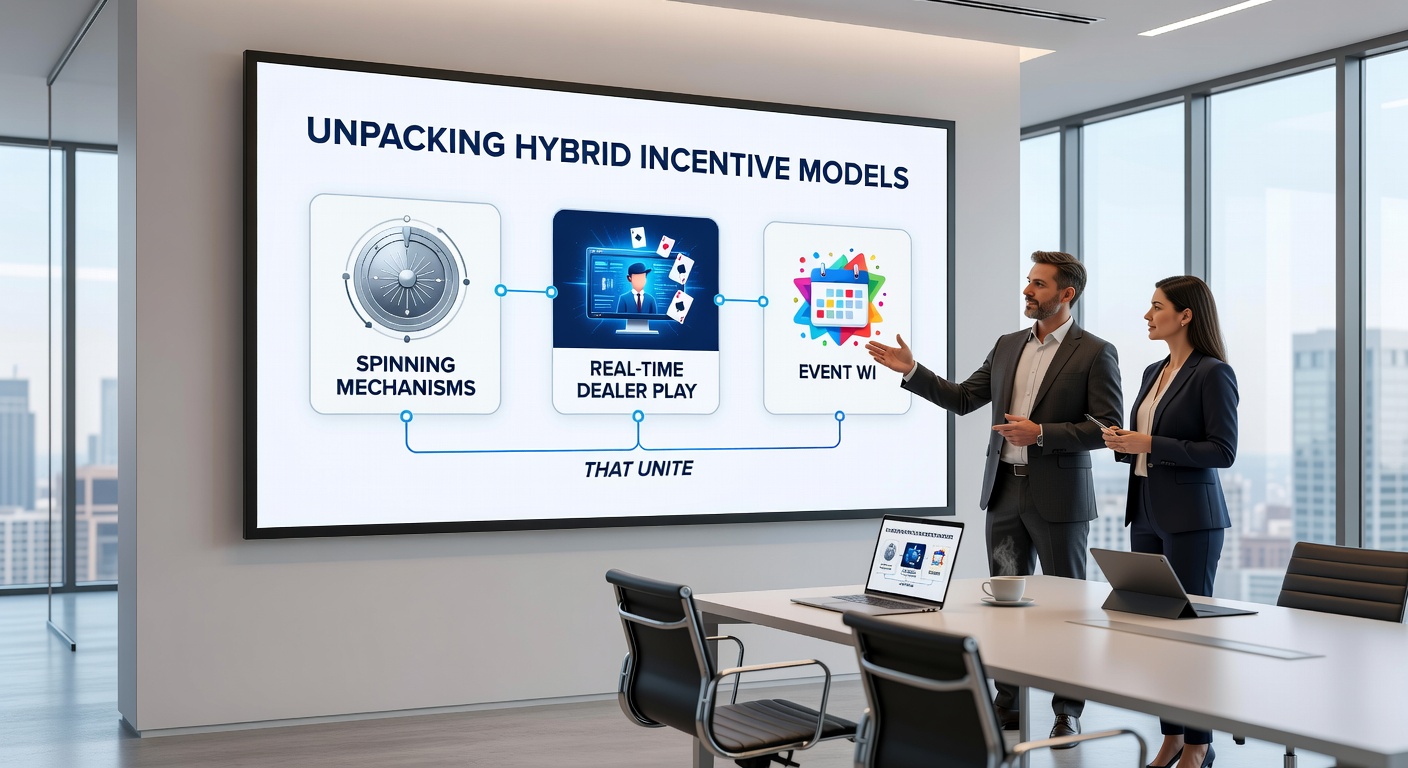
One documented implementation involved a platform that awarded spin credits for every live dealer hand completed, then converted portions of those credits into boosted stakes for upcoming soccer matches, and this cycle repeated across user accounts with weekly caps to prevent excessive accumulation. Another case from Australian operators linked event wagering losses to compensatory free spins on themed reel games while routing dealer table wins toward enhanced multi-bet options in sports sections, with the entire process managed through a single mobile wallet that updated in real time. Observers note that such campaigns typically run for 30 to 90 day periods before operators refresh the linkage rules to sustain engagement.
Research conducted by the Australasian Gaming Council revealed that users participating in these linked campaigns demonstrated more balanced activity distribution across formats, reducing concentration on any single game type. The council's 2025 annual report highlighted how mobile-specific features like quick deposit buttons and one-tap game switching contributed to smoother transitions between spinning sessions and live dealer queues or sports market selections.
Regulatory and Technical Considerations in June 2026
Regulatory bodies in multiple jurisdictions have begun reviewing hybrid models for compliance with responsible gaming requirements, focusing on whether cross-format rewards inadvertently encourage extended play periods or obscure loss tracking. In June 2026 the Nevada Gaming Control Board issued updated guidelines requiring clear disclosure of how points earned in one category apply to others, and similar reviews appeared in European markets outside the United Kingdom. Technical standards now emphasize secure data partitioning so that mobile session logs from spinning mechanisms remain distinct from dealer interaction records while still allowing aggregated reward calculations.
Industry associations such as the World Lottery Association have published frameworks advising operators on audit trails that document every point transfer between formats, ensuring transparency for both users and oversight entities. These measures address potential concerns around fairness when algorithms determine reward eligibility across disparate game mechanics.
Conclusion
Hybrid incentive models continue to evolve as mobile technology supports tighter integration between spinning mechanisms, real-time dealer environments, and event wagering markets. Data collected through 2026 indicates sustained interest from operators seeking to extend user journeys across multiple game categories within single applications, while regulatory updates focus on maintaining clear visibility into reward mechanics. Continued monitoring by academic and industry groups will shape how these structures develop in subsequent periods.