1 Nov 2026
Hybrid Gaming Strategies: Integrating Table Game Tactics with Sports Wagering on Mobile Platforms

Hybrid gaming platforms combine elements of table games and sports wagering, allowing participants to apply calculated approaches from one area to the other while mobile incentives encourage cross-platform activity. Data from industry reports indicate that operators now structure rewards to link blackjack probability assessments with live match odds, creating fluid transitions between casino sections and sportsbook interfaces. Observers note that such designs appear in multiple jurisdictions where regulatory frameworks permit integrated offerings.
Core Mechanics of Strategy Crossover
Table game participants often calculate expected values based on remaining decks or payout structures, and these same mathematical frameworks extend to sports lines when mobile apps present unified interfaces. For instance, a user evaluating blackjack house edges might apply similar variance analysis to point spreads or totals in basketball contests. Research from the University of Nevada Reno highlights how probability models developed in controlled casino environments transfer directly to betting markets when data feeds sync in real time.
Mobile incentives accelerate this integration by offering deposit matches or free plays that activate across both verticals. Users receive notifications when a table game session qualifies them for enhanced odds on upcoming fixtures, while those placing sports wagers unlock additional rounds at roulette or poker tables. These mechanics rely on backend tracking systems that monitor activity without requiring separate logins, according to technical documentation from major platform providers.
Mobile Incentive Structures Driving Hybrid Play
Operators deploy tiered bonus systems where initial deposits trigger rewards usable on live dealer tables and then roll over into sports markets. One common pattern ties a percentage match on casino funds to a separate credit line for match-day bets, with wagering requirements calculated across the combined total. Figures from the Nevada Gaming Control Board show steady growth in such cross-category promotions through 2025, with mobile channels accounting for the majority of redemptions.
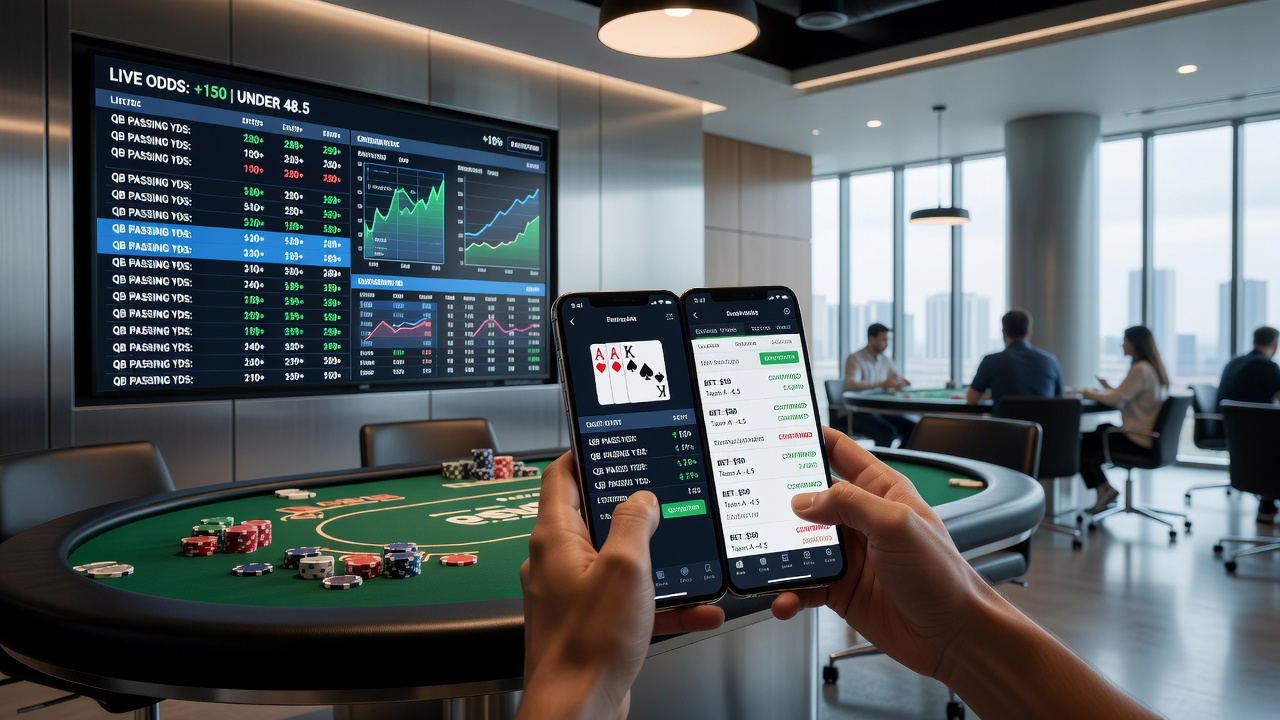
November 2026 marks the scheduled rollout of updated compliance standards in several North American markets, requiring clearer disclosure of how bonus funds convert between table games and sports products. These changes aim to standardize reporting while operators adjust their loyalty programs accordingly. Participants benefit from seamless wallet systems that maintain separate ledgers yet allow single-tap transfers when conditions are met.
Practical Applications Across Regions
In European markets outside the UK, regulators have examined similar hybrid models through frameworks managed by bodies such as the Malta Gaming Authority. Data indicates that promotions linking poker hand analysis with soccer accumulator bets maintain player retention rates above industry averages. Australian state-level oversight similarly tracks mobile-driven crossovers, where cricket betting lines connect to baccarat strategy sessions via shared progressive jackpots.
Case examples include platforms that award loyalty points from live blackjack sessions redeemable for enhanced soccer parlay multipliers. Those points accumulate based on time spent at virtual tables, then convert automatically when users switch to the sports section. Industry analyses from the Canadian Gaming Association document how such systems reduce friction and increase session lengths without violating jurisdictional spending caps.
Technical Foundations Supporting Integration
Real-time APIs feed both table outcomes and sports statistics into single dashboards, enabling users to reference historical performance data while adjusting bets. Machine learning modules analyze past table game decisions to suggest correlated sports wagers, though operators must present these suggestions neutrally under current advertising guidelines. Security protocols ensure that incentive redemptions occur only after verification steps complete across both product types.
Payment rails supporting instant deposits and withdrawals further enable hybrid movement, with e-wallet providers integrating directly into the same apps. Transaction logs remain segmented for regulatory audits yet appear unified to the end user through encrypted interfaces.
Conclusion
Hybrid gaming continues to evolve through structured incentives that reward calculated play across table games and sports markets. Mobile platforms serve as the primary conduit, delivering unified experiences backed by data synchronization and compliance adjustments scheduled for late 2026. Regulatory bodies in multiple regions maintain oversight while industry reports track participation metrics and cross-category activity levels.