4 Oct 2026
Genting UK Flags Major Risks from Proposed Machine Games Duty Rise Ahead of Budget

Paul Willcock, chief executive of Genting UK which operates 32 casino venues across the country, issued a direct warning that doubling the machine games duty from 20 percent to 40 percent would leave 13 of those venues unprofitable or unsustainable and force their closure while placing around 900 jobs at immediate risk, and this statement comes as Chancellor John Healey considers the measure for the October 28 Budget in 2026.
The proposal itself traces back to earlier recommendations from the Social Market Foundation think tank, and Genting now stands as the second major operator to highlight such severe operational consequences, following similar public statements from Rank Group which owns Grosvenor Casinos and has already projected potential closures of up to 16 out of its 47 venues along with 1,800 job losses if the tax change takes effect.
Details of the Genting UK Warning
Willcock outlined the financial pressures in clear terms during recent industry discussions, noting that the increased duty would hit machine gaming revenues so hard that multiple sites could no longer cover their costs, and observers note that these calculations reflect current trading conditions rather than speculative forecasts since the company already manages a network spanning major cities and regional locations throughout the United Kingdom.
Those familiar with casino economics point out that machine games duty applies directly to the gross profits from gaming machines, which form a core revenue stream for many venues, and under the proposed doubling the additional tax burden would compound existing operational expenses including staffing, property maintenance, and regulatory compliance requirements that have risen steadily in recent years.
Comparison with Rank Group Position
Rank Group delivered its own assessment weeks earlier, and the parallels between the two operators underscore the scale of potential industry contraction because together they represent a substantial portion of the land-based casino sector with combined warnings that point to thousands of positions at stake and dozens of sites facing shutdown.
While Genting focuses on 13 specific closures from its 32 venues, Rank projects up to 16 closures from its 47 sites, yet both companies emphasize the same mechanism where the tax increase would erode margins beyond recovery points, and data from the companies indicate that smaller or lower-volume locations would bear the brunt since they lack the scale to absorb the extra costs.
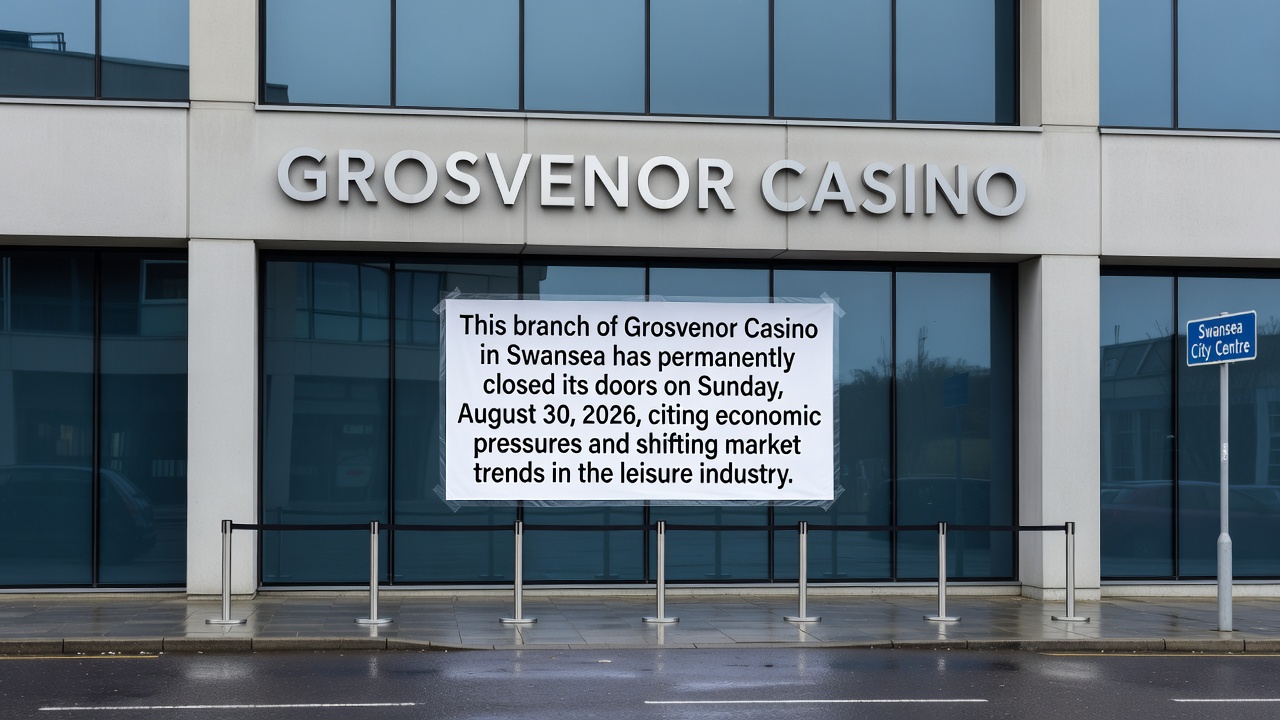
Industry analysts tracking these announcements observe that the timing aligns with broader fiscal planning for the October 28 Budget, where the Chancellor weighs revenue-raising options against employment and economic activity impacts in the hospitality and leisure sectors, and the sequence of warnings from two leading operators suggests coordinated industry concern over the proposal's downstream effects.
Background on the Tax Proposal
The Social Market Foundation first advanced the idea of raising machine games duty to 40 percent as a way to generate additional public revenue from the gambling sector, and this recommendation has now entered active consideration within government circles ahead of the 2026 Budget deadline, prompting operators to quantify the practical outcomes for their businesses.
Those who've reviewed the original think tank paper note that it framed the increase as a balanced adjustment given current duty rates relative to other forms of gambling taxation, yet casino operators respond that machine gaming forms an integrated part of the overall venue experience rather than an isolated revenue category that can absorb such a sharp hike without wider repercussions.
Further statements from Genting indicate that the affected venues would likely include a mix of regional sites where footfall and machine usage already operate closer to break-even levels, and the resulting job losses would concentrate in local economies that depend on these establishments for direct employment and secondary spending from visitors.
Industry Context and Stakeholder Reactions
Other casino groups have yet to issue matching public forecasts, but the pattern established by Genting and Rank suggests that additional operators may soon provide their own assessments as the Budget date draws nearer, and this measured release of information allows each company to present tailored data on how the duty change would interact with their specific portfolio structures and regional market conditions.
Trade associations representing the broader gambling and hospitality industries have begun to reference these warnings in submissions to policymakers, highlighting the cumulative impact on employment figures that could reach several thousand positions when secondary supply chain roles are included, and such figures add quantitative weight to the qualitative concerns raised by the two major operators.
Local authorities in areas hosting the at-risk venues have started to examine contingency planning scenarios, although no formal responses have been published yet, and the focus remains on the central government decision expected on October 28, 2026.
Conclusion
The warnings from Genting UK and Rank Group establish a clear timeline for decision-makers to weigh the revenue potential of the machine games duty increase against documented risks of venue closures and job reductions, and the October 28 Budget will determine whether the proposed rate change advances or receives modification based on the evidence presented by these operators and supporting industry data. The situation leaves the ball in the Chancellor's court as stakeholders await final details on how the tax adjustment, originally shaped by the Social Market Foundation, will be implemented or adjusted in practice.