15 Jul 2026
Exploring Incentive Structures That Guide Players from Slot Reels to Live Dealer Experiences and Sports Markets
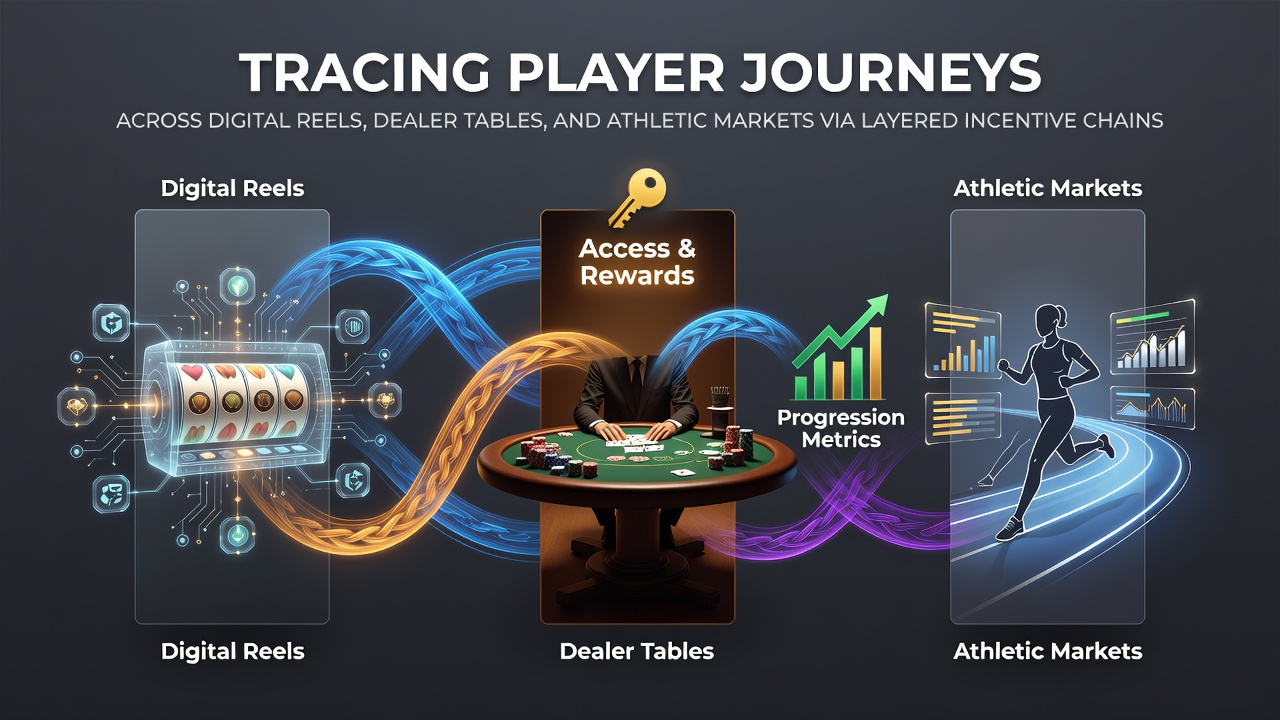
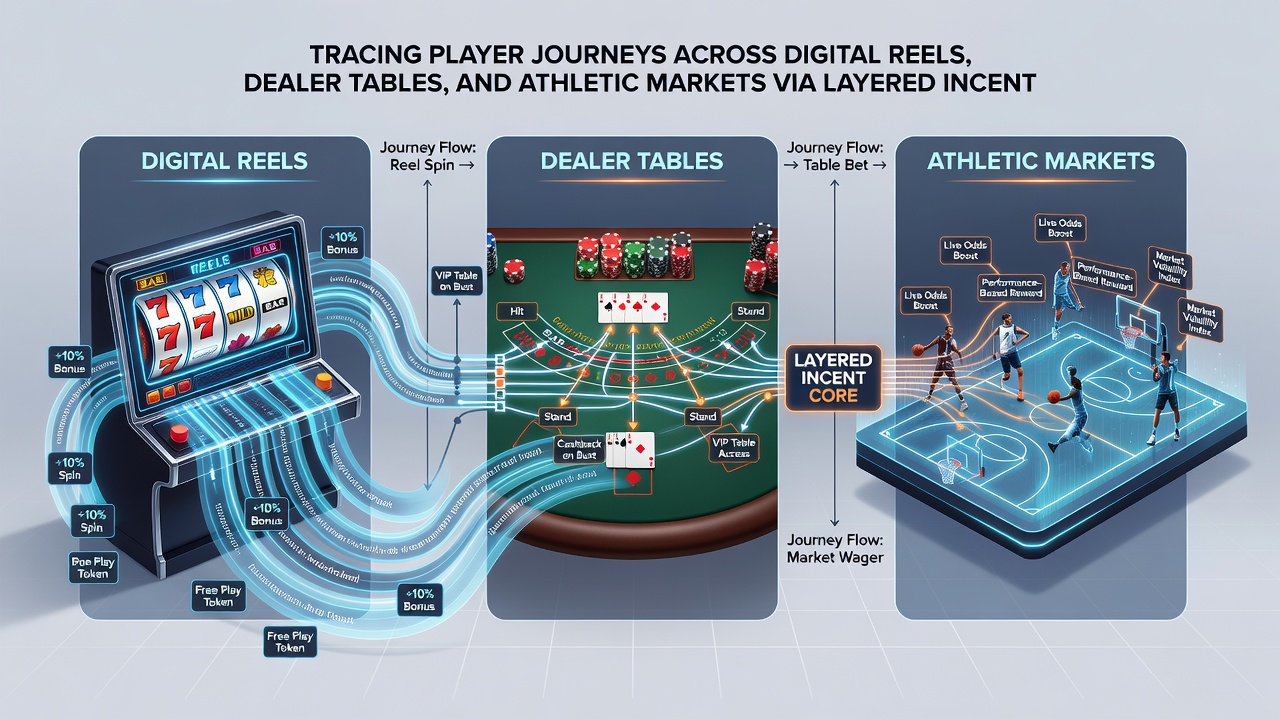
Data from multiple jurisdictions indicates that layered incentive chains have become a central mechanism for directing player activity across digital reels, dealer tables, and athletic markets, and operators structure these systems to encourage sequential engagement rather than isolated sessions. Players often begin with slot-based welcome offers that unlock table-game credits after a set number of spins, then receive further rewards when those credits convert into sports wagers, creating measurable movement between verticals.
How Layered Chains Operate in Practice
Operators design these chains so that each completed stage releases the next tier of value, and the mechanics typically involve deposit matches, free spins, cashback percentages, and loyalty points that carry across product categories. A player who deposits and plays slots may receive a voucher valid only on live dealer blackjack, while table-game winnings can trigger a boosted odds token for soccer or tennis markets. According to industry reports compiled by the Australian Gambling Research Centre, such sequenced offers increase the average number of verticals visited per account by 28 percent over six months.
The structure relies on clear progression rules that players can track through account dashboards, and completion rates rise when the final reward stage offers something distinct from earlier stages, such as a risk-free sports bet after table-game milestones. Observers note that these patterns appear consistently in markets where operators hold licences from multiple regulators, because unified player databases allow the same incentive logic to span different game types without violating jurisdictional rules.
Player Movement Patterns Across Vertical Types
Research tracking account-level data shows that the majority of journeys still begin on slots, yet the conversion step into live dealer environments occurs faster when the slot reward explicitly references table limits or dealer styles. Once players reach live tables, the incentive often shifts toward live betting windows on athletic events, and this transition tends to happen within the same session when the table reward includes a time-limited sports token. Figures released in July 2026 by the Pennsylvania Gaming Control Board revealed that accounts using cross-vertical chains recorded 41 percent higher session lengths than accounts limited to single-product offers.
Those who have examined transaction logs also report that sports markets serve as the final stage in many chains because outcome variability keeps engagement high after the more predictable reel and table segments. The same datasets indicate that players who complete the full chain return at higher rates in the following week, though the precise retention lift varies by jurisdiction and game mix.
Data on Cross-Vertical Engagement
Studies conducted by academic teams at the University of Nevada, Reno, examined anonymised play records spanning 18 months and found that incentive chains linking reels to tables to sports produced the highest multi-vertical participation rates among tested structures. The researchers tracked more than 120,000 accounts and noted that chains with four or more stages generated greater total handle than shorter sequences, even when individual reward values remained comparable. Sports betting segments within these chains showed the largest variance in stake size, reflecting the different risk profiles players adopt once they move from fixed-odds table games.
European data collected by the Belgian Gaming Commission similarly documented increased movement from live dealer roulette into in-play soccer markets when the connecting reward was a matched bet rather than additional table credit. These patterns hold across both desktop and mobile interfaces, although mobile sessions tend to complete the chain in fewer discrete logins because push notifications keep the progression visible between visits.
Regulatory Considerations Around July 2026
Updates scheduled for implementation in July 2026 in several North American and European markets require clearer disclosure of how rewards transition between product types, and operators have begun adjusting chain language to meet the new transparency standards. The changes focus on ensuring players understand the sequence requirements before they start, rather than altering the underlying mechanics themselves. Industry associations such as the European Gaming and Betting Association have published guidance documents outlining compliant chain structures that still allow movement across reels, tables, and sports while satisfying the disclosure rules.
Conclusion
Layered incentive chains continue to shape how accounts distribute activity across digital reels, dealer tables, and athletic markets, and available datasets confirm consistent progression patterns when the rewards are sequenced deliberately. Regulatory developments set for July 2026 emphasise transparency without restricting the core design, which means operators will likely refine disclosure language while preserving the cross-vertical flow that current records show drives higher engagement metrics. The same data sources also indicate that these structures remain most effective when each stage offers a distinct experience rather than simply repeating earlier reward types.