8 Jun 2026
Charting Interconnected Incentive Networks Across Strategic Card Games, Reel Automation, and Mobile Event Betting

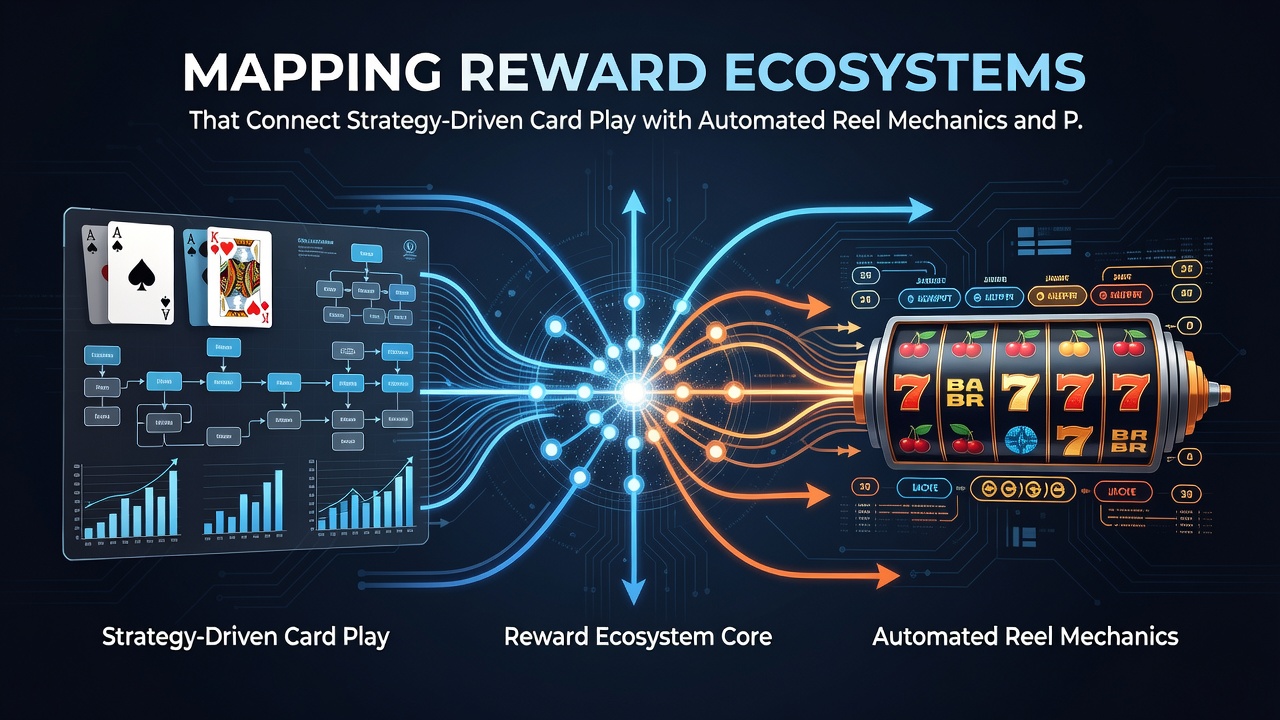
Operators have developed systems that track player activity across card tables, automated reels, and portable event wagering platforms, creating unified profiles that allocate points and bonuses based on combined participation rather than isolated sessions. These frameworks rely on centralized databases that log decisions made during strategy-driven card play, such as bet sizing in poker or blackjack, alongside spin patterns on reels and wager placements on live events through mobile devices.
Research from the University of Nevada's gaming studies program shows how algorithms assign weighted values to different actions, converting strategic choices in card games into credits that unlock features in reel mechanics while also feeding into real-time odds adjustments for event wagering. Data collected in controlled environments demonstrates that players who engage in multiple formats within a single account receive accelerated reward tiers compared with those limited to one category.
Structural Components of Cross-Format Reward Mapping
Mapping begins with identification of core actions in each domain, where card play contributes metrics like hand completion rates and risk-adjusted returns, reel mechanics record sequence triggers and multiplier activations, and portable event wagering captures timing and stake distribution across sports or entertainment outcomes. Integration layers then apply conversion tables that translate these metrics into a shared currency, allowing accumulation toward loyalty milestones that span all three areas.
Industry reports from the Canadian Gaming Association indicate that such mappings reduce fragmentation in player data, enabling operators to deliver personalized incentives that reflect total engagement volume. Systems often incorporate time-based decay functions so that recent activity in one format, such as a series of mobile event wagers during a major tournament, can temporarily boost reward rates available in card or reel sessions.
Technical Implementation and Data Flows
Developers construct application programming interfaces that pull real-time information from card management software, reel servers, and mobile event platforms into a single analytics engine. This engine applies rule sets that determine eligibility for tier upgrades or bonus releases, with audit trails maintained to satisfy regulatory requirements from bodies like the Nevada Gaming Control Board.
Security protocols encrypt transaction records at each junction to prevent unauthorized access, while machine learning models refine the weighting parameters based on observed patterns across large user cohorts. Updates scheduled for deployment around June 2026 are expected to introduce enhanced synchronization features that further align reward accrual rates with seasonal event calendars in portable wagering.
Player Journey Examples in Integrated Ecosystems
Observers note cases where participants begin with extended sessions at card tables, accumulate base points through consistent strategic play, and then transfer portions of those points to unlock free spins on automated reels that carry over into boosted odds for upcoming mobile event bets. One documented workflow shows a sequence in which reel outcomes directly influence available card game variants, while event wager results adjust reel volatility settings for subsequent plays.
Trade publications from the European Gaming and Betting Association document how these journeys maintain continuity across devices, with portable access points serving as the primary interface for monitoring accumulated rewards and redeeming them in any connected format. The mappings ensure that progress made during one activity type remains visible and actionable when the user switches to another.
Regulatory and Operational Considerations
Compliance frameworks require clear disclosure of how points convert between domains, with testing protocols that verify fairness in the allocation algorithms. Reports compiled by the Australian Institute of Criminology highlight the importance of transparent mapping rules to maintain player trust and avoid disputes over reward calculations.
Operational teams monitor system performance through dashboards that display cross-format participation rates, allowing adjustments to incentive structures when imbalances appear between card, reel, and event segments. Projections tied to June 2026 updates suggest expanded reporting capabilities that will provide regulators with granular views of reward distribution across integrated platforms.
Conclusion
Unified reward ecosystems continue to evolve through refined data connections that link strategy elements in card play with the automated nature of reel mechanics and the dynamic opportunities in portable event wagering. These mappings support sustained player engagement by recognizing cumulative activity rather than segmented contributions, while operational and regulatory structures adapt to maintain oversight of the integrated processes.